
Winter Safety at Home: How to Keep Aging Parents Comfortable and Supported
January 19, 2026
Winter Safety at Home: How to Keep Aging Parents Comfortable and Supported
Winter can be tough on aging adults. Colder mornings, bulky layers, wet entryways, and fewer outings can turn “normal” days into higher-risk days. If you are an adult child checking in on a parent in Wilmington, Southport, or anywhere in Brunswick County, you are probably thinking the same thing: Are they staying warm, steady, and okay on their own?
The good news is that winter safety for seniors is often about small, practical changes. Here are the best ways to keep an aging parent comfortable, supported, and safer at home during the winter months, plus how elderly care at home can help when you cannot be there every day.
Tip #1: Make the Home Safer to Prevent Winter Falls
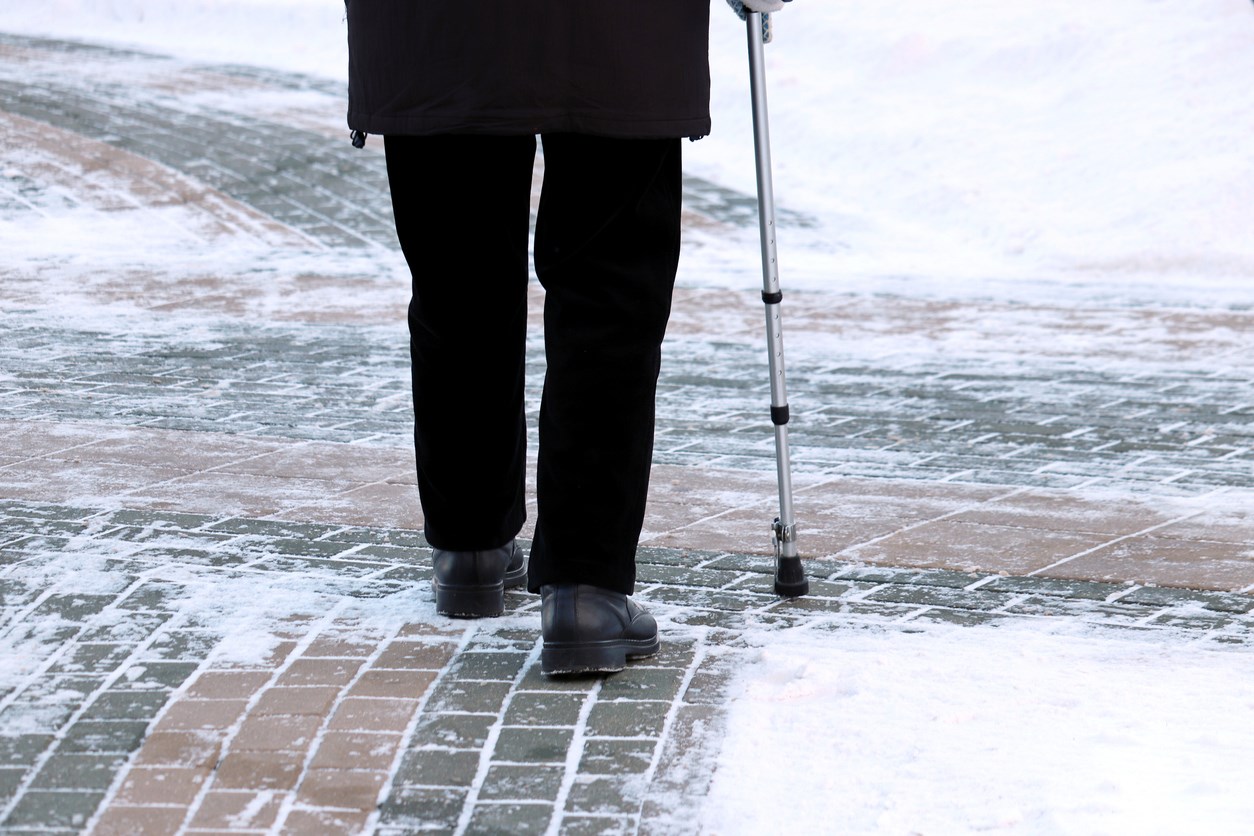
Falls are one of the biggest winter concerns for older adults. The CDC reports that over 14 million (about 1 in 4) adults age 65+ fall each year in the U.S.
In winter, the usual fall hazards get worse:
- Wet shoes tracking in water near the door
- Slippery floors from rain
- Dim lighting on early mornings and early sunsets
- Heavier coats and layered clothing that can affect balance
Start with a simple home reset:
- Clear entryways and hallways (no stacks, no cords, no “temporary” clutter)
- Add non-slip mats inside and outside the main door
- Improve lighting in paths to the bathroom and kitchen
- Remove or secure throw rugs
If you want support with daily safety and mobility, you can review Coastal Companion Care’s approach to non-medical home care on our services page, including help with safe movement around the home.
For a room-by-room checklist, the CDC’s Check for Safety guide is a strong resource.
Tip #2: Keep Indoor Temperatures Steady and Comfortable
Older adults often feel cold faster than younger adults, and they may not notice when their body temperature is dropping.
The National Institute on Aging recommends setting the heat to at least 68°F to help reduce hypothermia risk indoors.
A few realistic ways families can help:
- Confirm the thermostat is easy to read and simple to adjust
- Set a consistent schedule (especially overnight)
- Keep warm layers accessible (sweaters, socks, slippers, throw blankets)
- Be cautious with space heaters and make sure they are used safely
The NIA also shares additional cold weather safety tips for older adults, including fall risk guidance for icy conditions.
Tip #3: Support Healthy Hydration and Nutrition
Winter can make it easier for seniors to forget the basics:
- Drinking enough water
- Eating enough protein and balanced meals
- Keeping groceries stocked when roads are bad
This is where in-home care in coastal NC can make a real difference. With consistent non-medical support, seniors are more likely to:
- Eat regular meals (not just snacks)
- Stay hydrated throughout the day
- Avoid risky trips out during storms
If meal prep and daily check-ins are part of what your family needs, Coastal Companion Care’s team can talk through options when you reach out through our contact page.
Tip #4: Encourage Social Connection During the Winter Months
Winter routines often shrink. Fewer outings, fewer visitors, and shorter days can lead to loneliness, especially for seniors living alone.
The U.S. Surgeon General has called social connection a real public health issue and warns about the consequences when it is missing. A Health Affairs brief also highlights the health impact of social isolation and the need for a serious response.
This is where companion care services can be more than “nice to have.” Consistent companionship can look like:
- Conversation over coffee
- Card games or puzzles
- Rides to safe, familiar places
- Help keeping up with hobbies
Tip #5: Keep Medication Routines Consistent
Winter illnesses like colds, flu, and respiratory issues can complicate daily routines quickly. Even without medical care, families often want someone keeping an eye on consistency.
Non-medical caregivers can support seniors by:
- Providing medication reminders
- Helping track routines and refill timing
- Noticing changes in energy, appetite, or confusion and communicating with family
This type of consistency is often what makes senior care in coastal NC feel safer during winter.
Tip #6: Plan for Winter Weather Emergencies
Storms, power outages, and flooded roads can create anxiety for families, especially when an older parent lives alone.
A simple winter plan should include:
- Extra blankets and warm layers in one easy-to-find spot
- Flashlights and backup batteries
- A charged phone and a written list of emergency contacts
- A check-in plan (who calls, who can get there, who is the backup)
AARP offers practical tips for helping caregivers think through winter safety and emergency preparation.
For many families, scheduled caregiver visits are the difference between hoping someone is okay and knowing support will be there consistently.
FAQs: Keeping Seniors Safe and Comfortable in Winter
How often should someone check on an aging parent during winter?
More often than you think, especially during cold snaps or storms. Even a few consistent weekly visits can reduce risk and stress for everyone involved.
Can caregivers help with outdoor tasks like clearing walkways?
Many non-medical caregivers focus on indoor safety and support. Families often coordinate yard help separately for ice, snow, or heavy outdoor work.
Do seniors need to worry about indoor cold even if they are not going outside?
Yes. The National Institute on Aging notes that indoor temperatures that are too cool can still raise hypothermia risk, which is why they recommend keeping heat at 68°F or warmer.
Warm, Safe Winters Start With Reliable Support
Winter safety for seniors is not just about preventing a fall or avoiding a cold house. It is about building a daily routine that helps your parent feel steady, confident, and cared for.
If you are looking for homecare services in New Hanover or Brunswick County, Coastal Companion Care offers flexible, non-medical support designed around real life, from a few hours a week to more consistent care.
If you want to talk through a winter support plan, start by visiting Coastal Companion Care’s about page to get familiar with our approach, then contact our team to discuss what support could look like for your family.